
Tap or click
Play directly on the keys with a mouse, trackpad or touchscreen.
Free online music tool
Turn your browser into a responsive musical workspace. Explore a full keyboard, switch between seven instrument sounds, see every note and connect a compatible MIDI controller.
Play nowYour instrument is ready
Start in seconds
Play casually, check a note during practice or connect your own keyboard. No account is needed to use the tool.
Play directly on the keys with a mouse, trackpad or touchscreen.
Your computer keyboard plays one octave beginning at middle C.
Choose seven tones, adjust volume, sustain notes and reveal note names.
Move between 61, 76 and 88-key layouts without leaving the page.
Use a compatible MIDI controller when your browser and device support Web MIDI.
What is a piano?
A piano is a stringed keyboard instrument. Pressing a key sets a felt-covered hammer in motion; the hammer strikes a string and immediately rebounds so the string can vibrate. How firmly the key is played changes the sound from soft to loud.
That responsive touch is the idea behind the name pianoforte: an instrument capable of both “soft” and “loud.” Digital pianos recreate the playing experience electronically, using sampled or synthesised sound through speakers or headphones.
Read the Britannica overview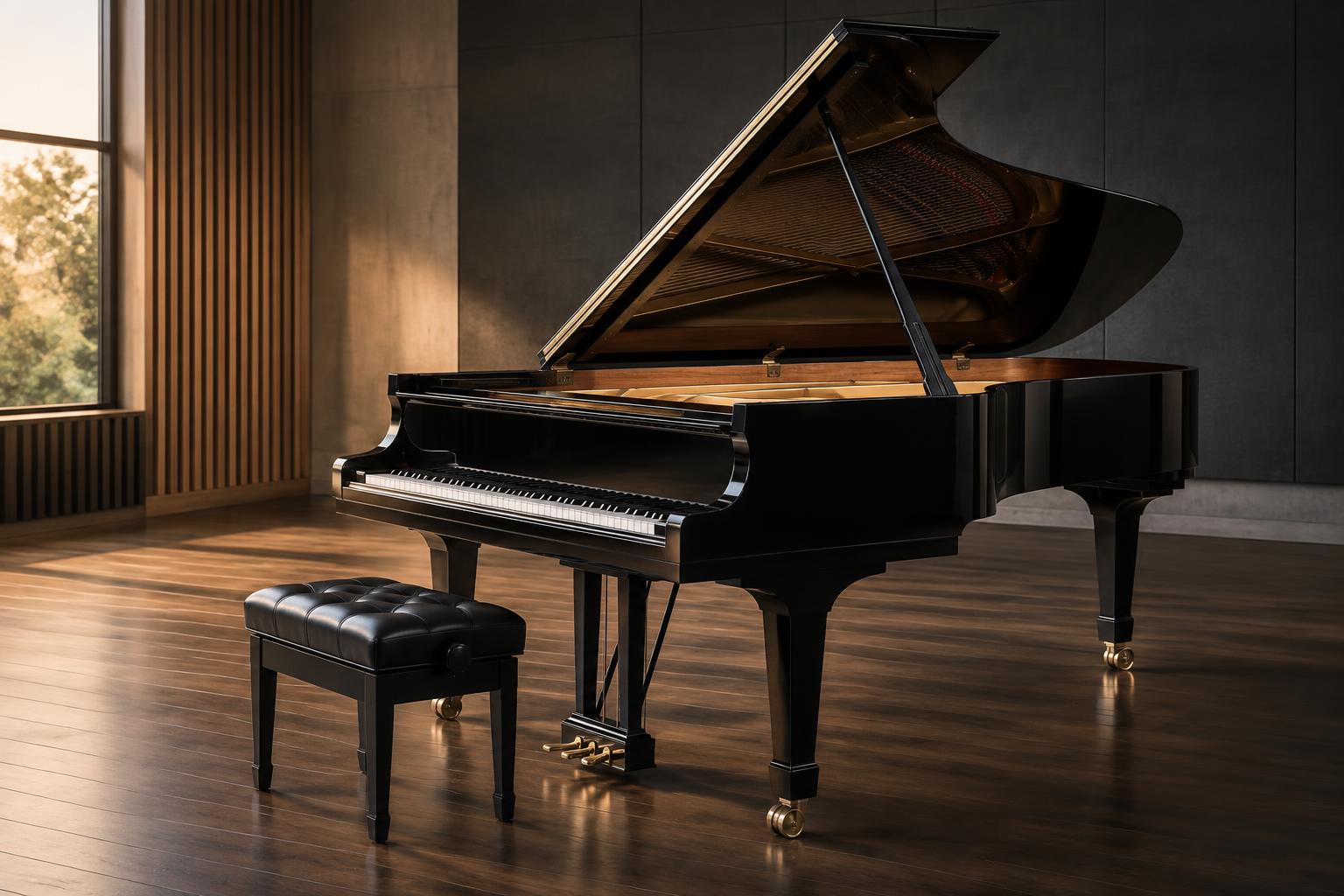
The evolution of touch
Before the piano, harpsichords plucked their strings and clavichords offered expression at a much quieter volume. Cristofori’s hammer action opened a new path: one keyboard could respond to the player’s touch with both power and nuance.
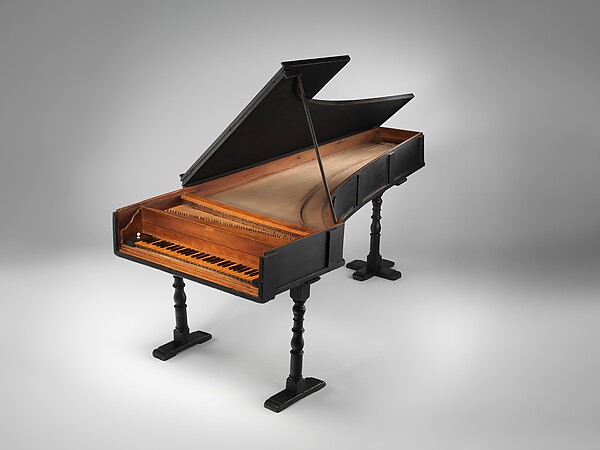
Bartolomeo Cristofori develops a successful hammer-action keyboard instrument in Florence, enabling soft and loud playing through touch.
Vertical strings make the piano more compact. Uprights later become the dominant form for many homes.
Sébastien Érard patents a double-escapement action, helping pianists repeat notes more rapidly.
Iron framing, overstringing and an expanding compass help the piano gain power, range and tonal depth.
The familiar A0-to-C8 keyboard settles into the modern 88-key range used by most acoustic pianos.
Digital instruments bring sampled sounds, touch-sensitive keys, headphones and MIDI into homes, studios and classrooms.
Historical claims are based on The Metropolitan Museum of Art’s Cristofori collection and essay, and Encyclopaedia Britannica’s piano and keyboard-instrument histories.
Three familiar forms
The right instrument depends on where you play, how you practise and the touch and sound you want.
Horizontal strings and a broad soundboard create exceptional control, resonance and projection.
A vertical frame saves floor space while preserving the acoustic relationship between keys, hammers and strings.
Electronic sound, headphones and practical connectivity make focused home practice easier, without acoustic tuning.
Inside the SURIX LMS
The SURIX Digital Piano is already integrated within our LMS dashboard, giving students easy access to the same familiar instrument during lessons and personal practice. It keeps learning fun and connected, with every session drawing on the tool they already know.
Frequently asked questions
About the instrument, the online tool and taking your first steps with piano.
Go beyond the browser
Build technique, reading, rhythm, chords, repertoire and musical confidence with a live SURIX trainer.